
Phase III Autism Spectrum Disorder Treatment Targeting Core-Symptoms
NEUROTECH INTERNATIONAL (NTI.ASX)
Introduction. Neurotech International (ASX:NTI) is a Melbourne-based, clinical-stage biopharmaceutical company developing NTI164, an oral, low-THC cannabinoid formulation designed to modulate activated microglia, the brain’s resident immune cells. NTI164 is in development across autism spectrum disorder (ASD), Rett syndrome, PANS/PANDAS and cerebral palsy, with ASD the lead program.
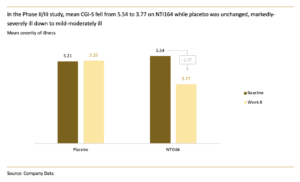
Positive Placebo-Controlled Results. The clinical evidence to date provides a credible foundation for the pivotal program. In the placebo-controlled Phase II/III NTIASD2 study, NTI164 produced a substantial improvement in overall illness severity, with mean CGI-S falling from 5.54 to 3.77 over eight weeks, effectively moving patients from markedly-to-severely ill to mild-to-moderately ill, while placebo was largely unchanged. NTI164 also delivered a materially greater improvement in adaptive functioning and social responsiveness.
Phase III Underway. Beyond Harmony, a registrational study in up to 200 patients aged 6 to 25, dosed its first patient in September 2026. The FDA cleared the IND in July 2026, so a single readout could support submissions in both Australia and the US.
Significant Upside Not Reflected in the Share Price. NTI164 is the only cannabinoid-based ASD candidate to reach Phase III. At a market capitalisation of A$22.6m, NTI trades well below our probability-weighted valuation of A$0.157 per share. That valuation prices the Australian ASD market alone and implies 1,021% upside to the last close of A$0.014.
Read our equity research report on Neurotech by clicking the Equity Research button below.
EQUITY RESEARCH NEUROTECH WEBSITE
KEY INVESTMENT INSIGHTS
Clear Business Strategy
Neurotech’s strategy concentrates capital on the shortest, most defensible path to registration for NTI164. Since divesting its legacy device business in 2025, the company has operated as a pure-play, single-asset developer, sequencing each clinical step to de-risk the next. An open-label study established tolerability and dose, followed by a placebo-controlled study that met its primary and all key secondary endpoints. The ongoing Phase III program tests the same doses and clinician-rated endpoints that succeeded previously. Beyond Harmony is designed to support both TGA and FDA submissions, with FDA IND clearance in July 2026 and a US pharmacokinetic study running alongside the Australian trial, potentially avoiding the cost and dilution of duplicate registration trials.
The commercial strategy is similarly capital efficient. Neurotech plans to commercialise in Australia first, where the NDIS covers 350,651 diagnosed and funded autism participants and spends A$31,965 per participant annually, versus NTI164’s proposed A$15,000 annual price. Offshore, the company intends to pursue licensing rather than fund its own commercial launch, allowing a successful Phase III outcome to generate licensing income without the cost of building a US commercial operation. For a company of Neurotech’s size, we consider this an optimal strategy to realise NTI164’s value.
Scalable Business Model
NTI164 is a single formulation across the pipeline, meaning each clinical success adds value to an existing asset. The drug has met its primary endpoint in completed studies across three indications, with each new program benefiting from the same manufacturing process and safety database. Adjacent markets are also commercially meaningful: Acadia reported US$125m of quarterly net Daybue sales in Rett syndrome, where NTI164 holds US and European orphan drug designations and where our valuation currently assigns no value to the program.
We expect NTI164’s unit economics to improve with scale. At an annual price of A$15,000, manufacturing costs are forecast to fall from ~A$5,000 to A$4,000 per dose as volumes increase, lifting gross margin from 64.2% to 70.8% over our forecast period after the 2.5% Dolce Cann Global royalty. Each incremental patient requires a prescription and product supply, but little additional capital or headcount. Australian prescribing is likely to be concentrated among paediatric neurologists and developmental paediatricians, keeping the domestic sales infrastructure relatively small, while offshore partners would fund manufacturing scale-up and distribution. We therefore expect revenue to grow materially faster than operating expenditure.
IP Protection and Barriers to Entry
NTI164’s most durable competitive advantage is its clinical data package. It is currently the only cannabinoid-based ASD candidate to reach Phase III, while comparable programs remain in Phase II or earlier. Given high clinical attrition in the field, a placebo-controlled dataset demonstrating efficacy on clinician-rated ASD endpoints would be both scarce and costly to replicate.
Neurotech’s patent position has also strengthened. On 2 July 2026, the USPTO issued Notices of Allowance for two NTI164 applications covering methods of reducing neuroinflammation and treating ASD. Once granted, the patents are expected to protect NTI164 in the US through 2042, although they are not enforceable until formally granted.
The proprietary full-spectrum formulation and regulatory position provide further barriers. NTI164 has demonstrated greater preclinical activity than CBD alone, while producing a standardised, GMP-grade botanical formulation presents manufacturing and characterisation challenges. In Rett syndrome, US and European orphan drug designations could provide additional exclusivity following approval, while US Rare Pediatric Disease Designation could make NTI164 eligible for a priority review voucher. In Australia, TGA registration and potential PBS listing could further support reimbursement, prescribing familiarity and clinician adoption.
Successful Management
Neurotech’s board is weighted towards capital markets expertise, appropriate as the company enters the capital-intensive Phase III and potential licensing stages. Executive Chairman Mark Davies brings 20+ years of investment banking and corporate advisory experience across funding, partnering and licensing, while Non-Executive Director Andrew Chapman has 25+ years of financial services experience, including biotechnology capital raisings. Pharmacist and consumer health commentator Gerald Quigley adds pharmaceutical and nutraceutical product development and marketing expertise. The board lacks dedicated clinical development expertise, with these functions outsourced to Fenix.
Led by Dr Esra Isikgel, Fenix provides the scientific, clinical and regulatory capabilities supporting NTI164. Its team spans neuroimmunology, clinical research, biostatistics, CMC and regulatory affairs, with the ASD program led by Professor Michael Fahey, Head of Paediatric Neurology at Monash Children’s Hospital. Fenix’s involvement has supported NTI164’s progression through clinical studies in three indications, US and European Rett syndrome orphan drug designations, FDA IND clearance and the Beyond Harmony Phase III program. This model gives Neurotech access to specialist drug-development capabilities while maintaining a lean internal structure.
Significant Investment Upside
Our probability-weighted intrinsic value of A$0.157 per share is 1,021% above the last close of A$0.014, and each layer of the valuation is conservative. The success scenario includes one indication in one country, caps penetration at 10% and uses the bottom of our achievable pricing range. We then weight that scenario at 60%, with the remaining 40% assigned to a nil-value outcome. Rett syndrome, PANS/PANDAS, cerebral palsy and all markets outside Australia are excluded from our numbers and represent upside the current share price does not reflect. Our most cautious sensitivity case, a 50% probability of success and a 17.2x exit multiple, still implies a value more than eight times the current share price. We expect positive data from the ongoing Phase III trial to provide a potential catalyst for a material re-rating toward our intrinsic value estimate.
THE SCIENCE BEHIND NTI164
NTI164 Composition
NTI164 is a proprietary, plant-derived cannabinoid formulation. It is high in cannabidiolic acid (CBDA), low in THC (<0.3%) and contains smaller quantities of CBD, minor cannabinoids and terpenes. Neurotech positions NTI164 as a full-spectrum formulation whose multiple constituents act on complementary molecular targets, with the potential for greater therapeutic activity than CBD alone. Its development rationale rests on neuroinflammation, a process implicated in all four disorders in the pipeline.
Pathophysiology of Neuroinflammation
Growing evidence suggests that abnormal microglial activation and chronic neuroinflammation contribute to the development and progression of several paediatric neurological disorders, including ASD, Rett syndrome, cerebral palsy and potentially PANS/PANDAS.
Microglia are the brain’s resident immune cells. In their healthy state, they clear debris, defend against pathogens and prune unused synaptic connections. Injury, infection or cellular stress shifts them into an activated state. Activated microglia switch on NF-κB and release inflammatory signalling molecules such as TNF-α, IL-1β and IL-6. Anti-inflammatory mechanisms, including the PPAR-γ receptor, normally keep this response in check. A persistent trigger can override them, leaving microglia continuously activated and driving chronic neuroinflammation. The triggers differ by condition. Infection, particularly streptococcal, dominates in PANS/PANDAS. MECP2 gene mutations cause Rett syndrome, and injury to the developing brain causes cerebral palsy. ASD sits at the intersection of genetic, immune and perinatal factors. Microglial activation therefore offers a potential common pathway from these different causes to disease symptoms.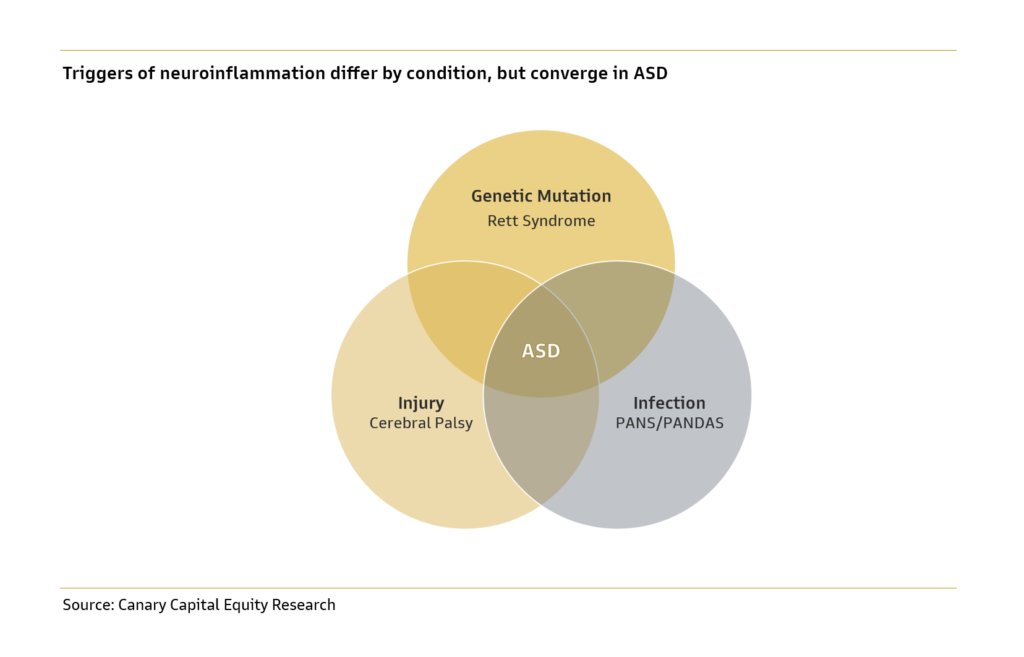
NTI164 Mechanism of Action
NTI164’s mechanism centres on modulating activated microglia. In preclinical models, NTI164 significantly reduced inflammatory markers including TNF-α, iNOS, GM-CSF and COX-2, in some cases by more than CBD alone. It also improved neuronal survival under excitotoxic stress. These anti-inflammatory and neuroprotective effects provide the biological rationale for developing NTI164 across neurological disorders in which neuroinflammation is implicated.
CLINICAL PIPELINE
Pipeline Snapshot
Autism Spectrum Disorder
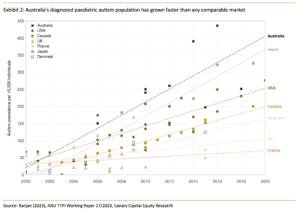
ASD is a lifelong neurodevelopmental condition defined by difficulties with social communication and by restricted or repetitive behaviours. Growing evidence implicates immune signalling and microglial dysfunction in at least a subset of patients. Australia has among the highest paediatric diagnosis rates globally: 1 in 27 children access the NDIS with an autism diagnosis, and NDIS payments to autism participants reached A$11.2bn in FY26. The only FDA-approved drugs, risperidone and aripiprazole, are antipsychotics that target irritability and aggression rather than core symptoms, and they carry side effects including weight gain and sedation.
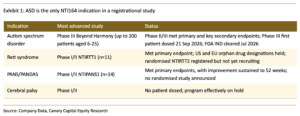
 ASD is Neurotech’s lead program. In the open-label Phase I/II study (n=14), 93% of patients improved on CGI-I after 28 days. The 11 patients who continued treatment have since passed two years of dosing with no reportable serious adverse events. The randomised, placebo-controlled Phase II/III study (n=61) met its primary endpoint and key secondary endpoints. Mean CGI-S improved from 5.54 (markedly-to-severely ill) to 3.77 after eight weeks, against no meaningful change on placebo (p<0.001). The placebo-adjusted effect was almost twice the size the trial was powered to detect.
The Phase III registrational study, Beyond Harmony, dosed its first patient in September 2026. It will enrol up to 200 patients aged 6 to 25 across six Australian sites. FDA clearance of the IND in July 2026 allows a US pharmacokinetic study to run alongside it, so a single readout could support both TGA and FDA submissions. NTI164 is the only cannabinoid-based ASD candidate to reach Phase III. The indication has a long record of late-stage failures, including Roche’s balovaptan and Servier’s bumetanide.
Rett Syndrome
Rett syndrome is a rare, progressive neurodevelopmental disorder caused by sporadic mutations in the X-linked MECP2 gene. It affects approximately 1 in 10,000–15,000 females. After a period of normal early development, patients regress and lose acquired language and purposeful hand use. Intellectual disability, seizures and severe anxiety are common. Rett syndrome is Neurotech’s second most advanced indication. NTI164 holds US and EU Orphan Drug Designation and US Rare Pediatric Disease Designation in it.
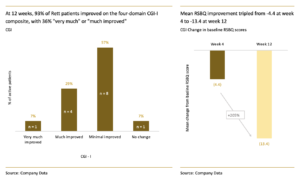
In the open-label Phase I/II study of 11 girls aged 5 to 11, 93% of patients improved on CGI-I at 12 weeks (p=0.001), rising to 100% at 20 weeks. On the Rett Syndrome Behaviour Questionnaire the mean improvement from baseline tripled from -4.4 at week 4 to -13.4 at week 12, a statistically significant change (p<0.001). A randomised, placebo-controlled Phase II/III crossover study in 40 patients is registered but has not begun recruiting, and Neurotech has not updated its timing.
The only approved therapy, Neuren and Acadia’s Daybue (trofinetide), generated US$125m in net sales in Q2 2026 and has yet to enter the Australian approval pathway. Its gastrointestinal side effects mean only 55% of patients remain on therapy after 12 months, which leaves room for a better-tolerated treatment. NTI164 is the only cannabinoid-based candidate in development, although it trails competitors, including the MECP2 gene therapies from Neurogene and Taysha.
PANS/PANDAS
PANS is a severe childhood neuropsychiatric condition marked by the sudden onset of obsessive-compulsive disorder or severely restricted food intake and is thought to reflect a misdirected immune response. Its main subcategory, PANDAS, is triggered by Group A streptococcal infection. Symptoms include separation anxiety, emotional lability, tics, sleep disturbance and declining school performance. They relapse with each new infection, and severe cases can become life-threatening. The condition is rare, with US annual incidence estimated at 1 in 11,765 children aged 3–12. No therapy is approved. Treatment is largely off-label and includes antibiotics, corticosteroids, intravenous immunoglobulin (IVIG) and, in severe cases, plasma exchange.
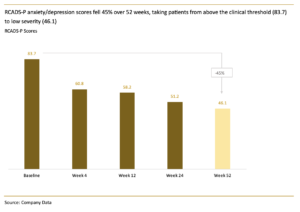
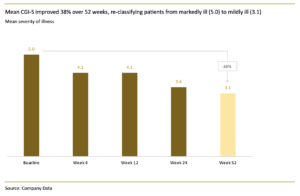
Neurotech’s open-label Phase I/II study in 14 patients aged 4 to 17 met its primary endpoints with no serious adverse events. Over 52 weeks, anxiety and depression scores (RCADS-P) improved by 45%. CGI-S improved by 38%, moving the mean patient from markedly to mildly ill. No randomised follow-on study has been announced.
Octapharma’s IVIG product Panzyga missed its Phase III primary endpoint in May 2025, which leaves NTI164 as the only candidate with an active clinical program in the indication. It also offers an oral alternative to infusion-based therapy.
Cerebral Palsy
Cerebral palsy (CP) is a group of permanent movement and posture disorders caused by a non-progressive disturbance in the developing brain. It is the most common cause of lifelong childhood-onset physical disability and affects approximately 1 in 500 newborns worldwide. Neurotech plans to target spastic CP first. Spastic CP accounts for approximately 80% of diagnoses, which gives an addressable Australian population of ~27k. No approved therapy addresses the underlying brain injury. Standard care relies on physiotherapy, sedating muscle relaxants, Botox injections and, in severe cases, baclofen pumps. Deloitte Access Economics estimated the total cost of CP in Australia at more than A$145k per person in 2018.
NTI164 would offer an oral, systemic, non-sedating alternative. Because microglial over-activation is thought to contribute to CP across subtypes, its mechanism may also apply beyond spastic presentations. However, CP is Neurotech’s least advanced program. A Phase I/II study in up to 14 children with spastic CP received HREC approval and TGA clearance in January 2024. No patient has been dosed in the more than two years since, and we understand the program has been deprioritised in favour of ASD.
DEVELOPMENT AND MANUFACTURING PARTNER
Fenxi Innovation Group
Fenix Innovation Group is a Melbourne-based private contract research organisation (CRO) with particular expertise in complex paediatric clinical trials. It is also a strategic partner of the global contract development and manufacturing organisation Pharmaron. Fenix sponsors and manages NTI164’s clinical trials and manufactures the drug at its GMP facility. It also supports Neurotech’s engagement with the TGA and FDA, including the IND cleared in July 2026. The arrangement gives Neurotech clinical, regulatory and manufacturing capability without building these functions internally, so the corporate structure stays lean. Under a Strategic Collaboration Agreement signed in June 2024, Fenix works exclusively with Neurotech in medicinal cannabis. In return it received 10 million NTI shares and 50 million performance rights tied to NTI164 milestones. The conditions for the first 20 million rights have been met: US and EU orphan drug designations for Rett syndrome, and FDA IND clearance. The remaining 30 million rights are linked to a licensing transaction and TGA approval, so Fenix’s return depends directly on NTI164’s progress.
KEY PEOPLE
-

Mark Davies
Executive Chairman
Mr Davies joined the board as a non-executive director in April 2019, was appointed Non-Executive Chairman on 15 August 2022 and became Executive Chairman on 17 August 2026. In the executive role, his responsibilities span corporate strategy, capital markets and funding initiatives, partnering and licensing activities, investor engagement, governance and strategic oversight of the clinical and regulatory programs. Mr Davies has more than 20 years’ experience in investment banking and corporate advisory work, specialising in capital raisings for emerging Australian companies. He is Managing Director of 1861 Capital, co-founded the investment banking firm Cygnet Capital and holds a Bachelor of Commerce.
-

Gerald Quigley
Non-Executive Director
Appointed on 7 July 2022, Mr Quigley is a qualified pharmacist and one of Australia’s most recognised consumer health commentators. His experience covers pharmaceutical and nutraceutical product development, dispensing and marketing, and product positioning within the TGA and FDA regulatory frameworks. For a company whose end users are children and whose advocates are parents, his understanding of how paediatric therapies are dispensed and communicated to families complements the capital markets weighting of the rest of the board.
-

Andrew Chapman
Non-Executive Director
Appointed on 8 September 2026, Mr Chapman is the founder of Merchant Funds Management and has over 25 years’ experience in the financial services industry, spent advising biotechnology companies on capital raisings and capital markets strategy and execution. He is a Non-Executive Director of Argent BioPharma (ASX: RGT) and Chairman of Cycliq Group (ASX: CYQ) and holds a Bachelor of Commerce and a Post Graduate Diploma in Finance and Investment. His appointment adds capital markets depth at the point in the company’s development where the Phase III funding requirement and potential licensing negotiations dominate the agenda.
GET INVESTMENT OPPORTUNITIES OR
RAISE CAPITAL
Contact Us

Access Canary Capital Research
Sign up to our mailing list to access our research reports.
By submitting your details, you agree to our Terms of Service.
"*" indicates required fields